


Four inches—does that sound like a lot or a little? Without a ruler, it can be tricky to picture this versatile measurement. Whether you’re working on scale drawings, interpreting blueprint dimensions, or just need a quick mental image for real-life size, understanding what 4 inches actually looks like can save you time and confusion.
In fact, 4 inches is a common measurement across many everyday objects and practical examples. From biological measuring tools like your hand to uniform size references like credit cards, these examples will help you visualize 4 inches in real-world dimensions. Let’s explore 7 practical, real-life measurements to clear up any confusing inch marks and make 4-inch comparisons crystal clear.
7 Practical Examples You Can Relate To
1. Two Debit Cards

When you’re needing 4 inches quickly, credit cards (or debit cards) make for reliable, impromptu measuring tools. A standardized credit card measures about 3.37 inches wide and 2.13 inches tall. So, if you place two cards side by side with a slight overlap, you’re roughly looking at the perfect 4-inch measurement in width.
This is a powerful tool for DIY projects or architectural scale models where maintaining consistent dimensions matters. Using these everyday objects as scale references ensures accurate measurements without fuss, and they’re great for quick measurements when you’re away from your tape measure.
Check this out : 10 Things That Hit the 10-Kilogram Mark.
2. Average Hand Width
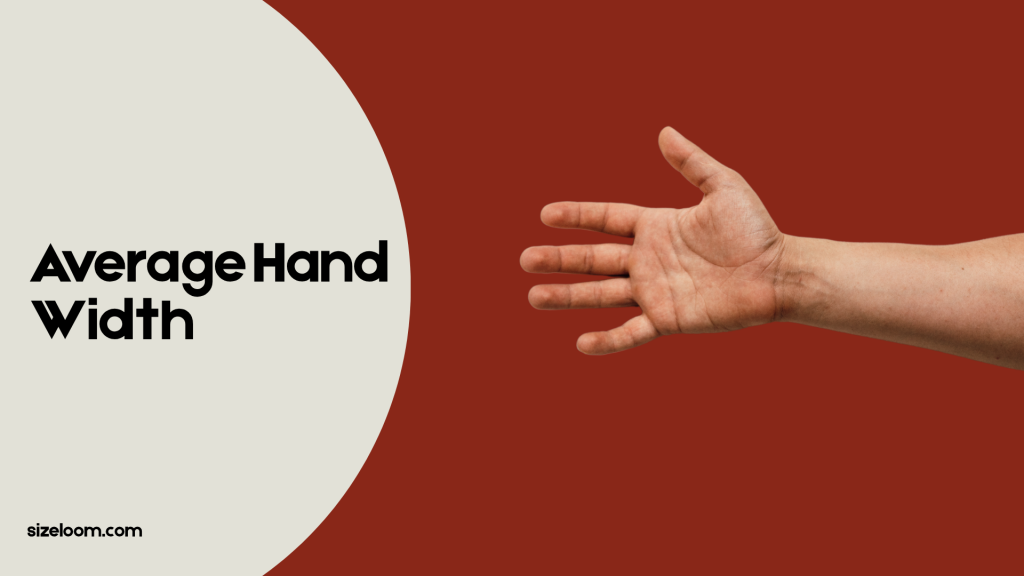
Here’s a biological measuring tool you already carry around—your hand! The average adult palm is about 3.5 to 4 inches wide, depending on your size. Using your hand as a practical reference is an ancient construction practice for quick approximations of real-life measurements. It’s especially useful when working with scale factor or drawing measurements where you need to imagine real-world size without exact tools.
3. Four US Quarters

Coins have long been convenient reference points for real-world dimensions. Four US quarters placed edge to edge total about 3.82 inches in length—just under 4 inches. This example is a convenient reference for scale dimensions in model train displays, architectural models, or even business models requiring consistent, standardized size. If you’re working with scale drawings that need quick 4-inch scale examples, quarters are one of the most consistent and accessible everyday objects to use.
4. Half a Volleyball

A standard volleyball’s circumference ranges from 25.5 to 26.5 inches, which means its diameter is roughly 8.1 inches. Half that diameter is about 4 inches tall. Visualizing 4 inches as half the diameter of a volleyball helps with quick drawing measurements and accurate comparisons, especially if you’re dealing with cylindrical shapes or curved objects in scale models or actual construction projects.
5. Two Standard Playing Cards

Playing cards typically measure about 2.5 inches wide and 3.5 inches tall. If you place two cards side by side with a slight overlap, you approach around 4 inches wide. These cards provide a standardized size and uniform size that’s useful for DIY projects, model boats, or everyday measurements when you need to estimate actual size without a tape measure.
6. Men’s Wallet

A typical men’s wallet folds to around 4 to 4.5 inches wide. This measurement offers a convenient reference for everyday measurements, products list 4 inches in width, or when planning blueprints that include small real-world objects. Knowing this practical reference point supports quick measuring and ensures your scale factor aligns with actual object size in your projects.
You might like : What Does 10 Kilometers Look Like? 8 Everyday Comparisons (With Photos).
7. Half a Standard Brick
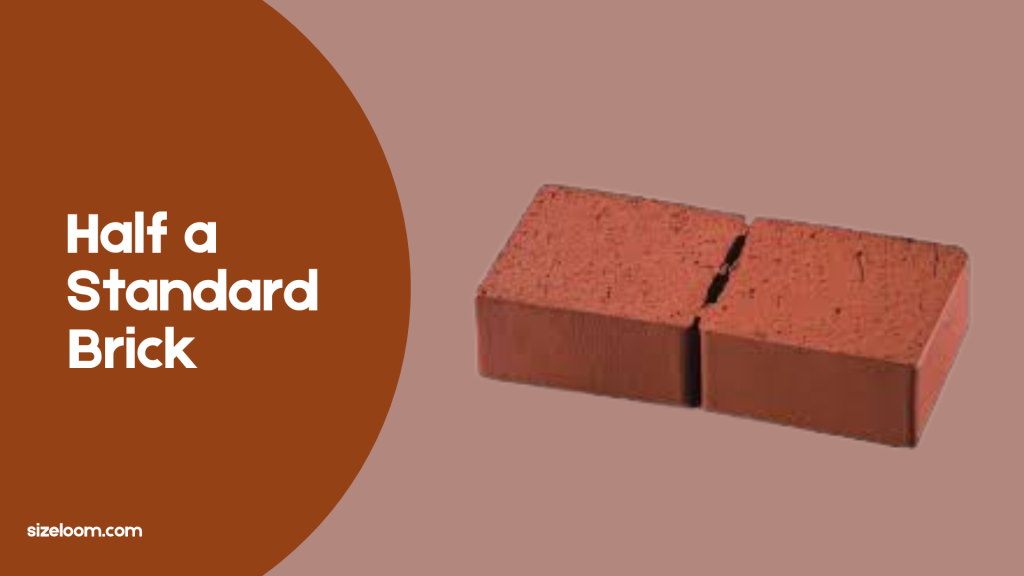
In construction, a standard US brick is about 7.5 to 8 inches long, 3.5 inches wide, and 2.25 inches tall. So, half its length is just about 4 inches—making it a perfect example of consistent dimensions for building to inches conversions. This is a favorite reference for those working on architectural scale drawings or even ancient systems where uniform size and accurate measurements were essential for stability and design.
Final Thoughts
Four inches is more than just a number—it’s a practical measurement that pops up everywhere, from wallets and bricks to volleyballs and coins. Understanding this common measurement through everyday objects helps you visualize real size and improve the accuracy of your scale drawings, models, and DIY projects. So next time you’re confronted with confusing inch marks or need a quick 4-inch comparison, remember these practical examples. They’re your everyday, reliable measuring tools—no tape measure needed!
Get sizing clarity with our easy-to-use SizeLoom fit guide.